 Hyvor Blogs
 Medium
A Medium Alternative to Publish and Manage Content
Looking for a Medium alternative? Manage everything in one CMS with more control over content, design, SEO, and subscribers with Hyvor Blogs.

Medium gives publishers a place to publish articles and reach readers who enjoy online reading. Its simple editor and popular publications make it easy to get started. But it has limits if you want your own website or direct access to your subscribers.
Hyvor Blogs offers a better approach for independent publishing. It gives you full control: your website with your own CMS, newsletters, multilingual support, and sub-directory hosting. If you're considering switching to a Medium alternative, your choice comes down to your needs: Medium's existing audience or greater control over your publication.
Why Do Publishers Look for a Medium Alternative?
Writers and publishers look for a Medium alternative when they want better control over their website and readers. Medium makes publishing easy, and its recommendations increase visibility of articles from new writers. But as a publication grows, limited design options and restricted access to subscriber information can become frustrating.
Running your own publication gives you more freedom to choose your own tools and manage content outside another company's platform. The most common reasons for looking elsewhere include:
- Limited control over website design and publishing settings.
- Heavy dependence on Medium's recommendations for traffic.
- Restricted access to subscribers' email addresses.
- No support for Google Analytics or custom tracking scripts.
- No option to host the publishing software yourself.
How Hyvor Blogs Compares with Medium as an Alternative
Hyvor Blogs is a publishing CMS that lets you manage articles on your own website, under your own domain. Medium gives writers a place to publish inside its existing network, but offers fewer options for managing the website itself. Hyvor Blogs covers more of those needs, providing custom themes, plugins, newsletters, and headless publishing.
Hyvor Blogs MediumHyvor Blogs vs Medium: Key Differences in Content and Publishing
Medium handles writing and publishing well. But you'll hit limitations when you need a separate, fully functional website. Hyvor Blogs covers those needs through its CMS, giving you more control over content and how it appears online.
Publishing Control and Website Ownership
When you publish on Medium, your content lives on their platform, not yours. You own the copyright to your writing, and Medium supports custom domains for paid members. But you have limited control over the website's appearance and available features. Visitors often encounter sign-up prompts and membership pop-ups, which publishers cannot remove.
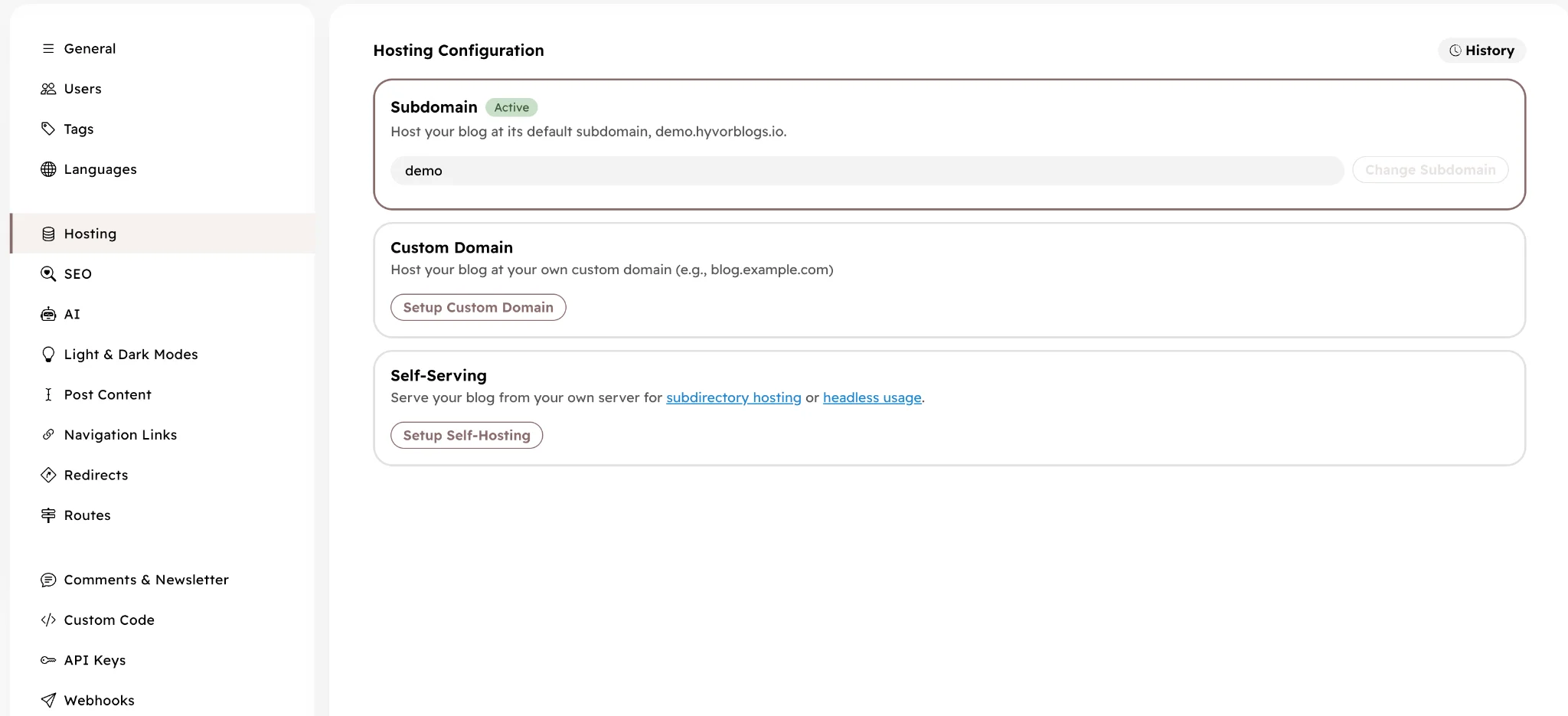
With Hyvor Blogs, your content lives on your domain, under your control, building your brand, not Medium’s. Hyvor Blogs also lets you choose managed hosting or run the software yourself. Its open-source code and custom themes give you more flexibility to change how the website works. Your readers can access your content without being pushed to create an account.
SEO, Analytics, and Search Visibility
Medium lets writers set canonical links and review basic article statistics. You can track views and reads inside Medium, but Google Analytics and custom tracking scripts are unavailable.
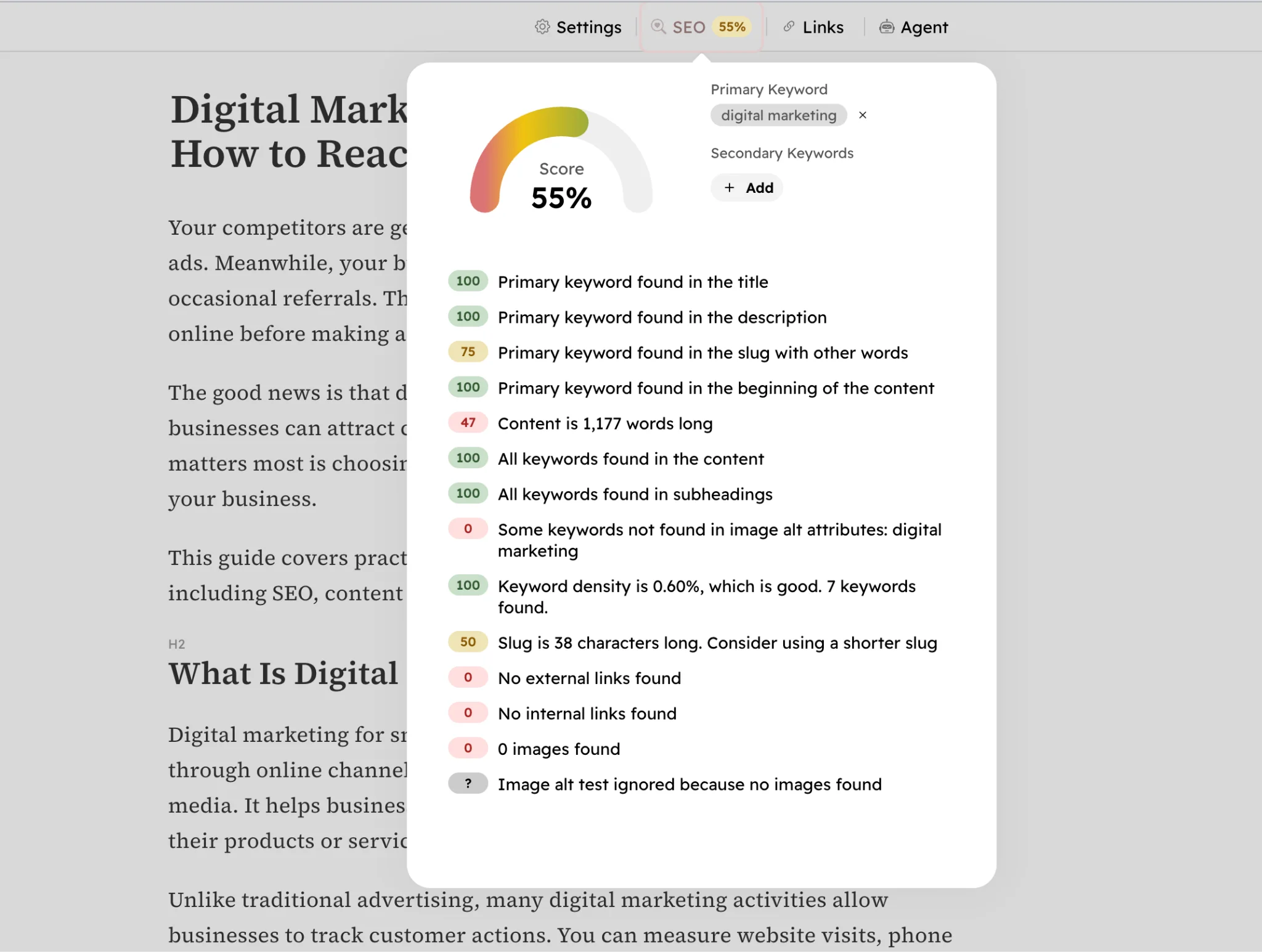
Hyvor Blogs includes XML sitemaps, structured data, editable metadata, and canonical tags. SEO Analysis comes with Starter, while Growth adds Link Analysis. You can also connect external analytics tools through custom code.
Audience Management and Newsletters
Medium supports followers, email subscriptions, and newsletters for publications. However, writers cannot export subscriber email addresses.
Hyvor Blogs includes Hyvor Post, which handles newsletters and subscriber management. You can add signup forms to your website and send emails from the Hyvor Blogs Console. You can also import or export subscriber lists, so you can move between newsletter services.
Content Editing and Team Collaboration
Medium publications can have owners, editors, and contributing writers. Writers submit articles, while editors review them before publication. This works for collecting stories from different contributors, although Medium does not have live co-editing inside drafts.
Hyvor Blogs allows several writers to work on the same article at once. Reviewers can use Suggestion Mode to propose edits without changing the original text. They can also leave comments on specific passages, with different user roles controlling what each person can do.
Website Design, Hosting, and Headless CMS
Medium supports custom domains and lets publication owners change layouts and basic branding. You cannot install custom themes or add your own JavaScript.
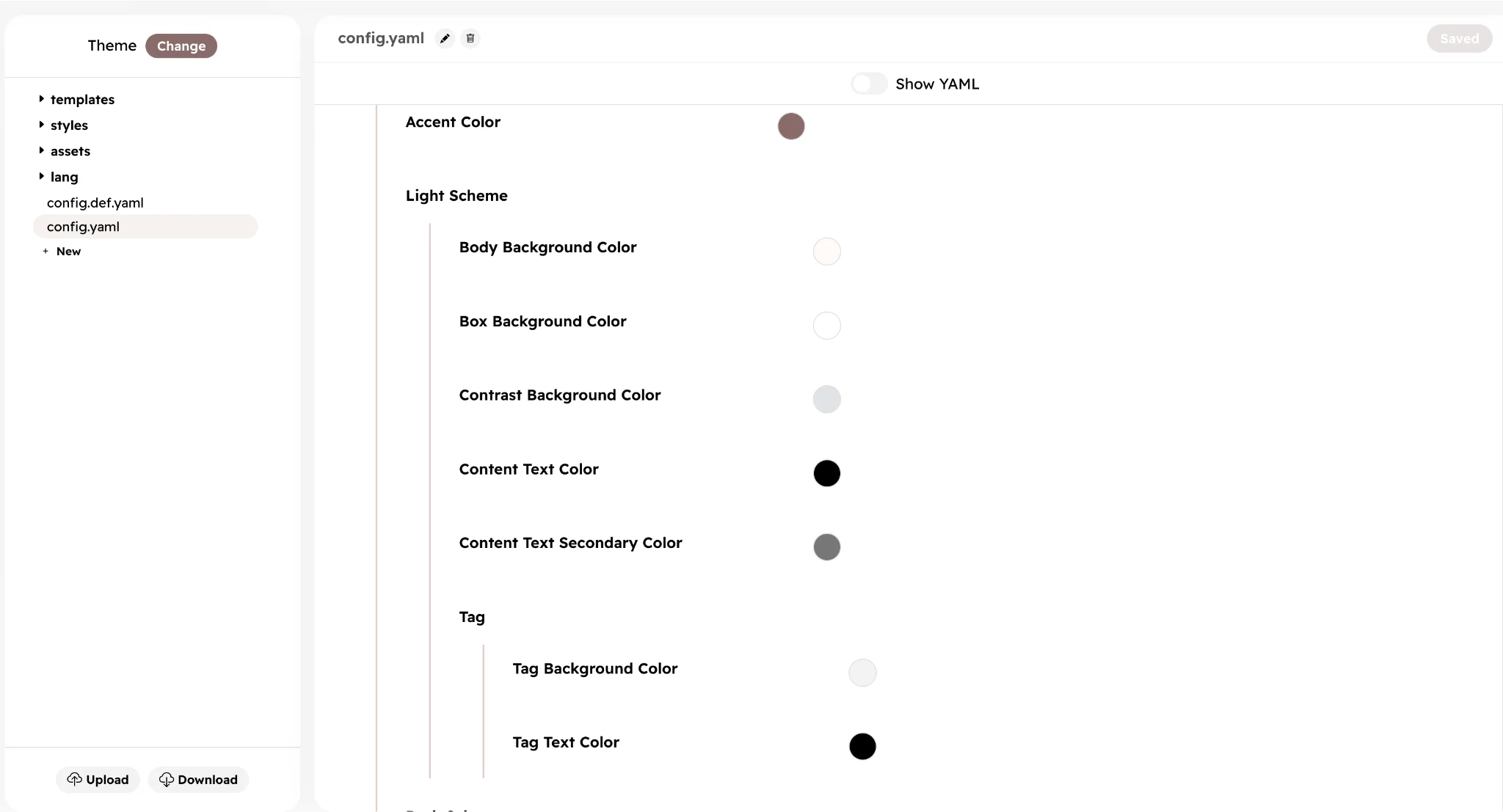
Hyvor Blogs gives you open-source themes and full HTML, CSS, and JavaScript access. You can customize every aspect of the themes, or build your own theme from scratch. It also supports /blog hosting and self-hosting through Docker. Developers can use its Data API to manage articles in Hyvor Blogs while showing them on a Next.js, SvelteKit, or Astro website.
AI-Assisted Writing and Content Management
Medium offers a simple editor for writing and formatting stories. Writers can use outside writing tools, subject to Medium's rules about AI-generated content. However, Medium doesn't have a comparable agent that can search existing articles and suggest changes within the publication.
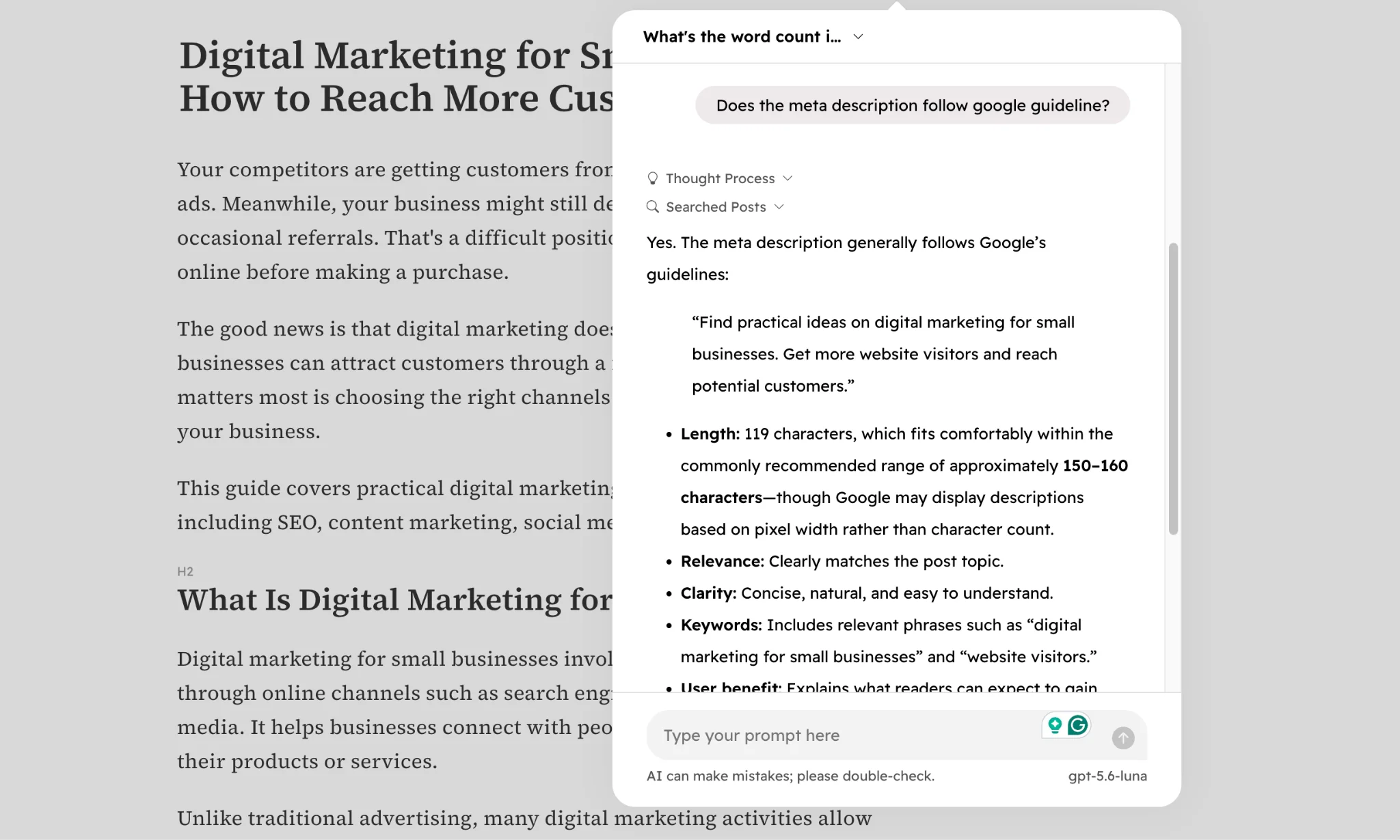
Hyvor Blogs has an AI agent that works within the CMS. It can read articles and suggest edits based on your requests. You review those changes before applying them, so the agent cannot quietly rewrite published content.
How Medium Compares With Hyvor Blogs in Pricing?
Medium lets anyone publish for free, while its paid memberships mainly provide reading benefits and access to some features. Hyvor Blogs charges for managed hosting and gives you a website you can run as your own publication. Medium Member costs $50 per year, while Hyvor Blogs Personal costs €50 per year. The currencies differ, and each plan covers a different need.
Here's what the two entry-level plans offer at their similarly priced annual rates.
At €50 per year, Hyvor Personal provides website features that Medium Member does not include. You can use your own themes, publish in several languages, and manage subscribers directly. Hyvor Post also includes 5,000 newsletter emails each month, while Hyvor Talk provides 10,000 monthly credits.
Who Should Consider a Medium Alternative?
Publishers and writers who want more control over their website, a stronger connection with subscribers, and better analytics tracking should consider Medium alternatives. In simple terms, if you want your own website with your branding and control, look for Medium alternatives.
An Independent Publishing Platform May Fit Better If...
- You want your content to build SEO authority on your own domain, not Medium's.
- You want full design and brand control over how your blog looks to readers.
- You want a newsletter subscriber list you own and can export at any time.
- You publish translated versions of the same content.
- You want several writers reviewing articles together.
- You need Google Analytics or custom website code.
- You want your blog at a subdirectory path (/blog) alongside an existing site.
Medium May Fit Better If...
- You want to publish without paying for hosting.
- You rely on Medium recommendations to find readers.
- You regularly submit articles to established publications.
- You earn through the Partner Program.
- You find managing a separate website a headache.
Migrating From Medium
Medium lets you export your story archive as a .zip file from your account settings. Our team can help import your posts, clean up formatting, and configure redirects so readers and search engines find your content at its new home. Because Medium URLs cannot be redirected automatically, careful URL mapping and canonical tag management during the migration can preserve much of your organic search value.
Frequently Asked Questions About Medium Alternatives
What Is the Best Medium Alternative for Publishing?
Hyvor Blogs is a Medium alternative for publishers who want their own website and CMS. It includes custom themes, newsletters, collaboration tools, and self-hosting options.
Is There a Free Alternative to Medium?
Yes, Hyvor Blogs is free to self-host under its open-source license. You still need a server and must handle maintenance yourself. Its managed hosting plans start at €50 per year.
Can I Use My Own Domain Instead of Medium?
Yes, Medium supports custom domains for paid members. However, your publication still runs on Medium's hosting and follows its website settings.
Can I Publish the Same Article on Medium and My Own Website?
Yes, Medium lets you import articles published elsewhere and uses canonical links to identify the original source. This means you can publish on your own website while keeping Medium as another place to reach readers.
Can I Export My Email Subscriber List if I Leave Medium?
No. Medium doesn't share subscriber email addresses with writers, so that list can't be exported or reused elsewhere. Hyvor Blogs lets you export your full subscriber list at any time.
Does Hyvor Blogs Let Me Monetize My Content Differently Than Medium?
Yes. Medium's paywall is tied to its own membership program and revenue split. Hyvor Blogs doesn't dictate a monetization model - you can add your own membership, ads, or sponsorships and keep full control of pricing and revenue.
A quick note about HYVOR
We're an independent, bootstrapped company building software for people who actually care about the web. No venture capital. No growth-at-all-costs mindset. No enshittification. Just a small team shipping tools we're proud of, at a pace that lets us do it right.
We're big believers in open-source and the open web, and most of what we build is released openly. If you value privacy, transparency, and software that respects you as a user rather than treating you as a product - you're exactly who we're building for.
Related Hyvor Blogs Comparisons
vs  vs
vs  vs
vs  vs
vs  vs
vs  vs
vs  vs
vs